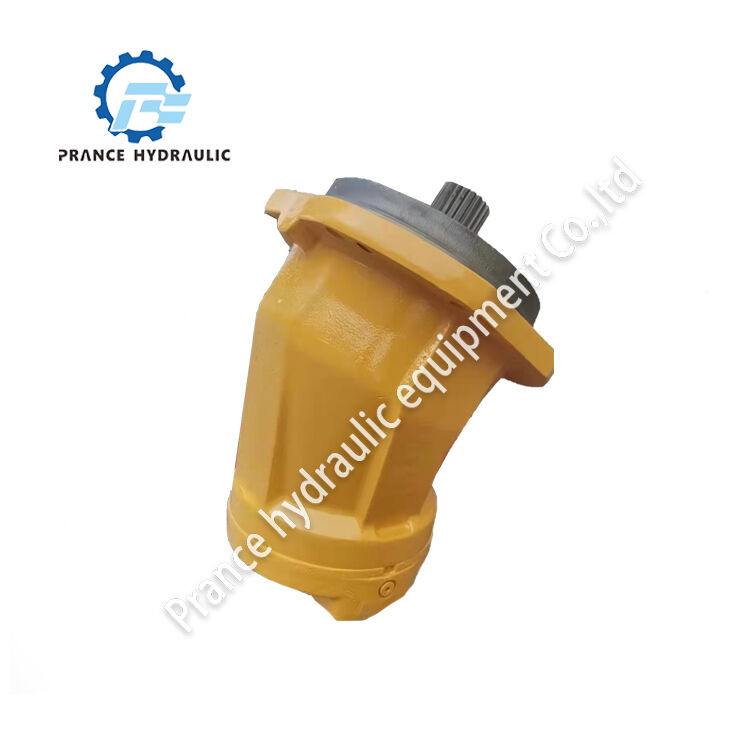
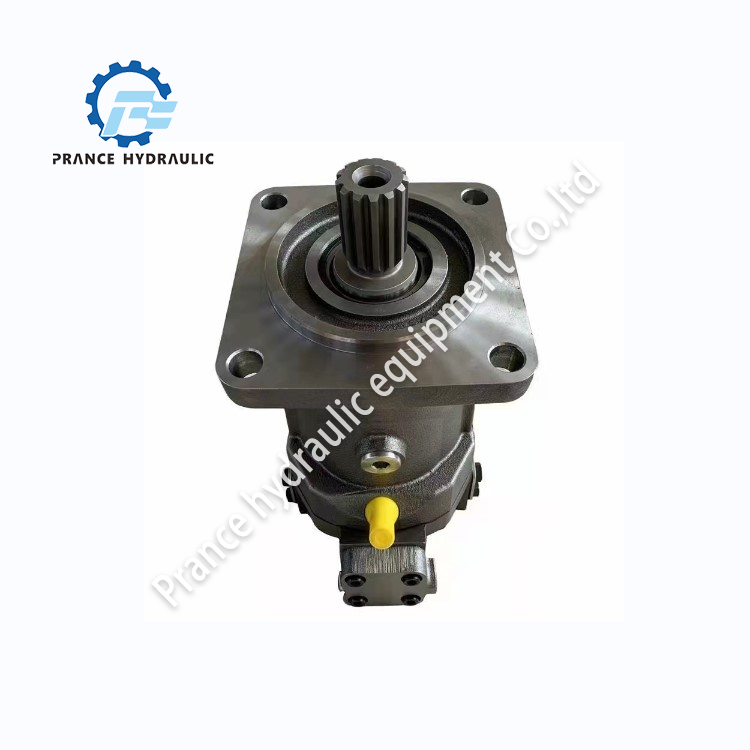
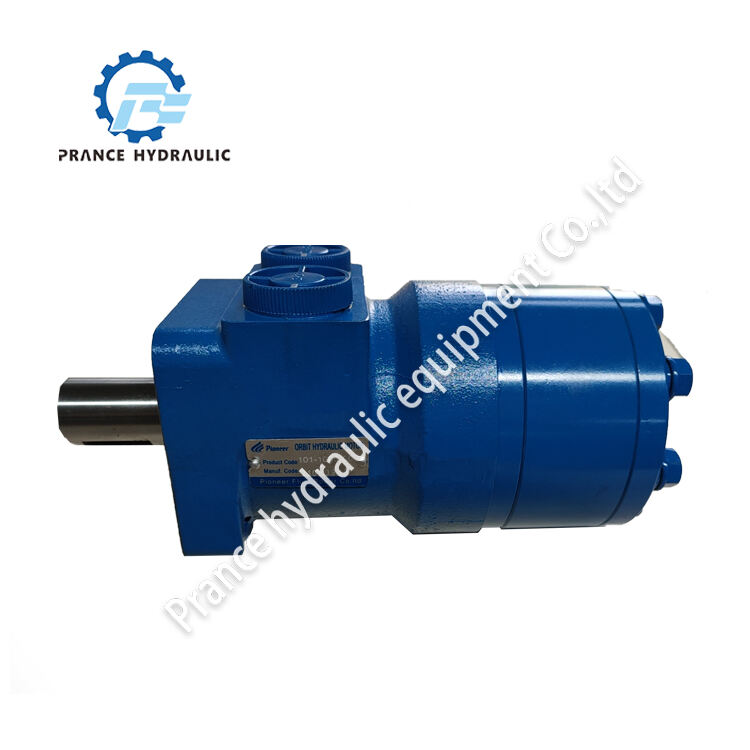
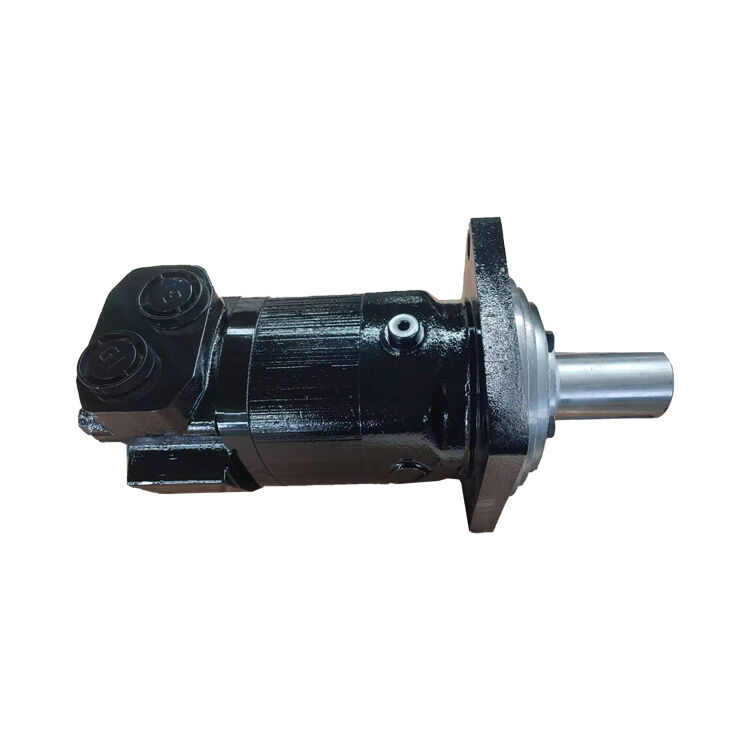
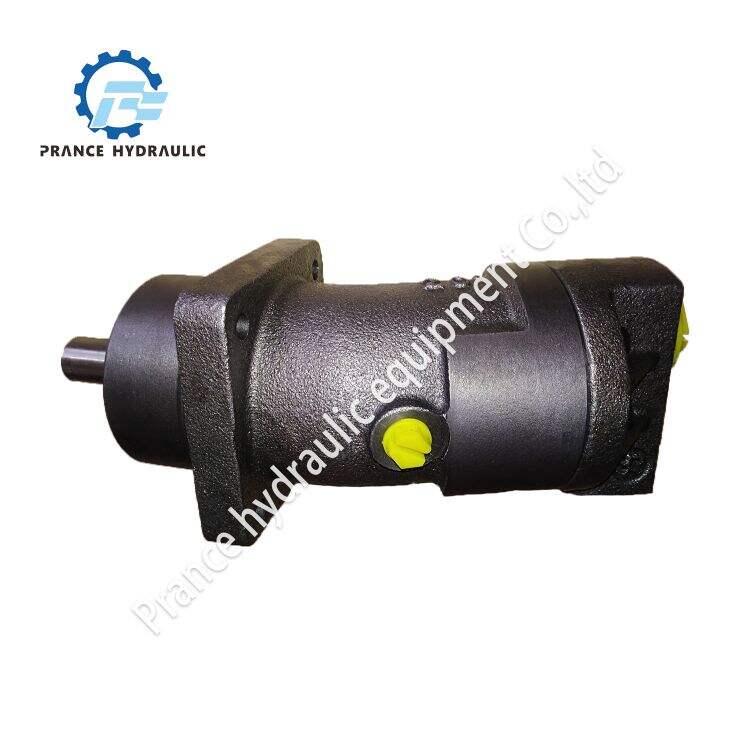
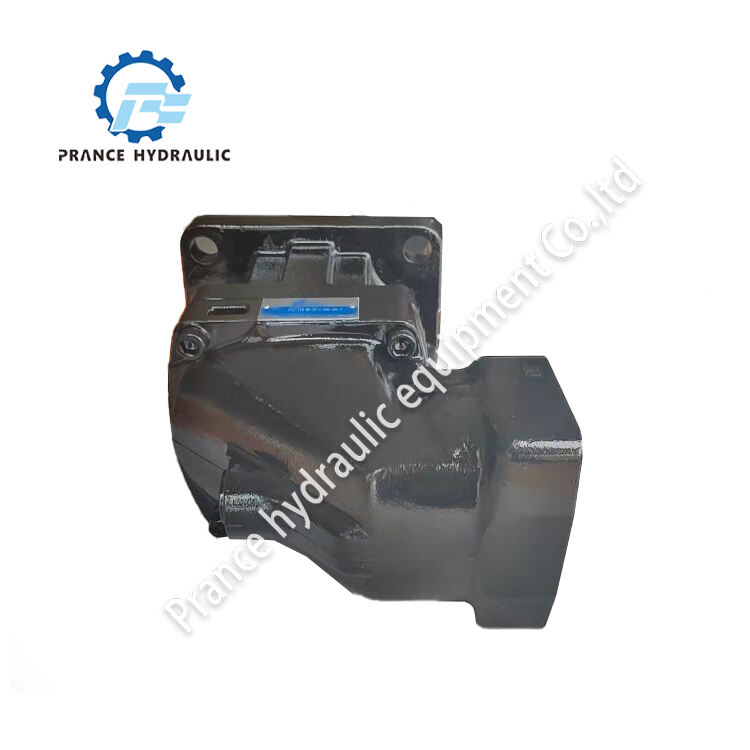
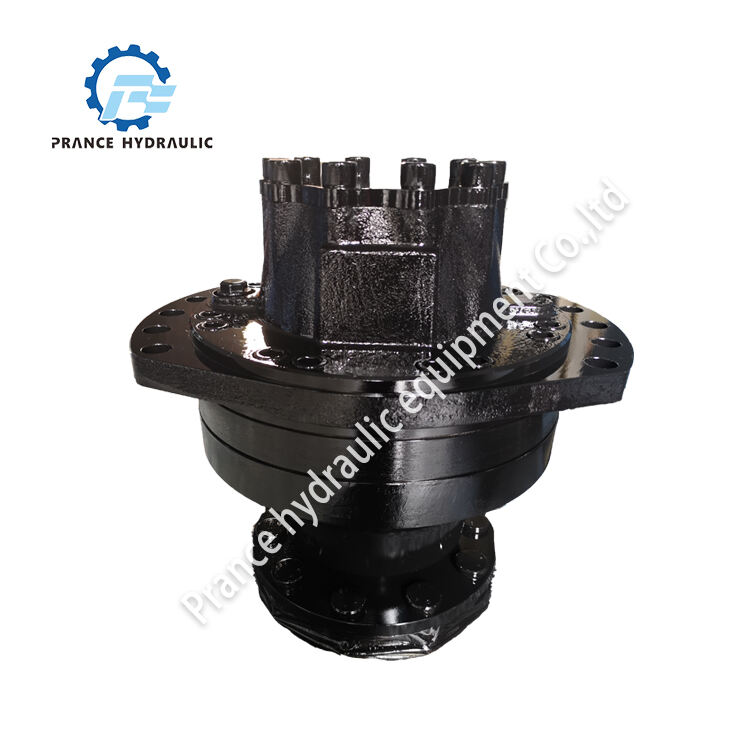
Why and how do things move with the help of motors and pistons? How Motors & Pistons Work Below is a nifty explanation on the principles of hydraulic orbit motor systems!
A motor is the heart of a machine. It provides the energy to make things happen. With most motors, there are pistons, the muscle that makes the motor work. The pistons travel back and forth when power is switched on. This motion begets energy, the energy that makes stuff move.
Pistons play a key role in the functions of a motor. They travel up and down in cylinders, squeezing air and fuel together. The two gases combine and combust, providing energy to the motor. The motor can use that power to rotate wheels or blades. Engines wouldn’t be very good, without pistons.
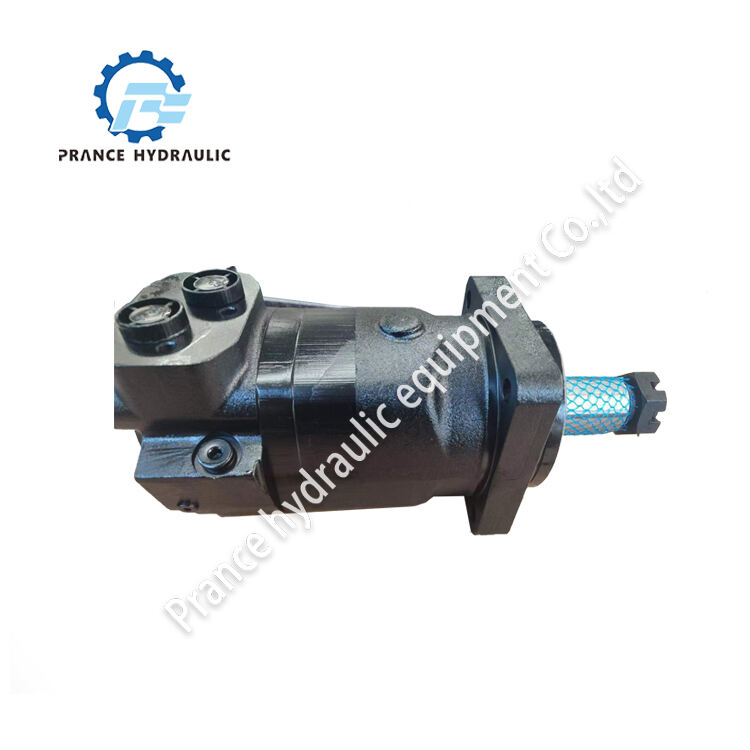
Pistons are one of the most important components for generating power in engines. When they rise and fall, they squeeze the air and fuel mixture in the cylinders. This blend, when ignited, makes a powerful force that drives the pistons downward. This motion runs the motor providing it with the power to accomplish various tasks.
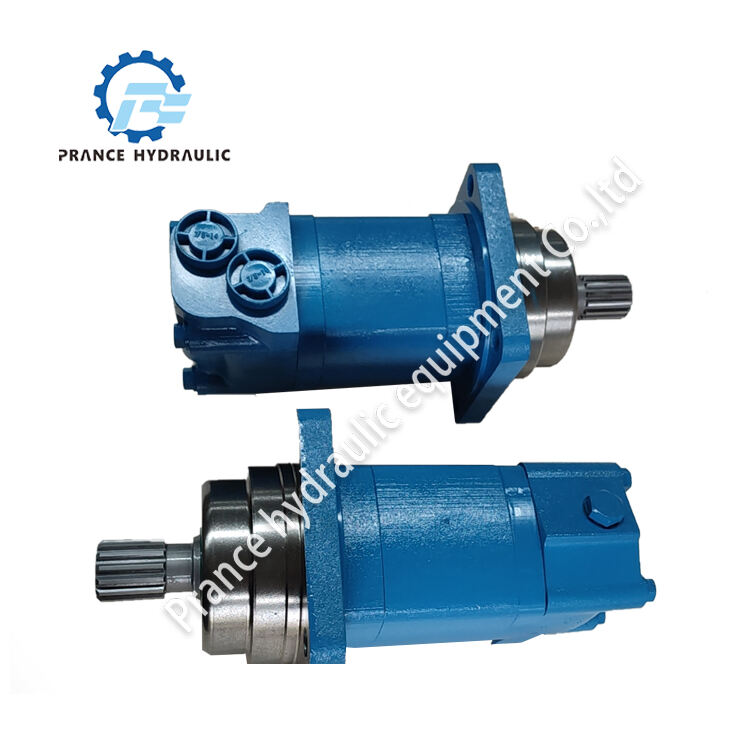
I find the combination of motors and pistons really interesting. When the motor runs, the pistons are going up and down in sync. This action forms a cycle of compression, combustion and trial. This cycle helps the engine operate efficiently. It’s important for the pistons and motors to work together properly, she explains, to keep everything going smoothly.
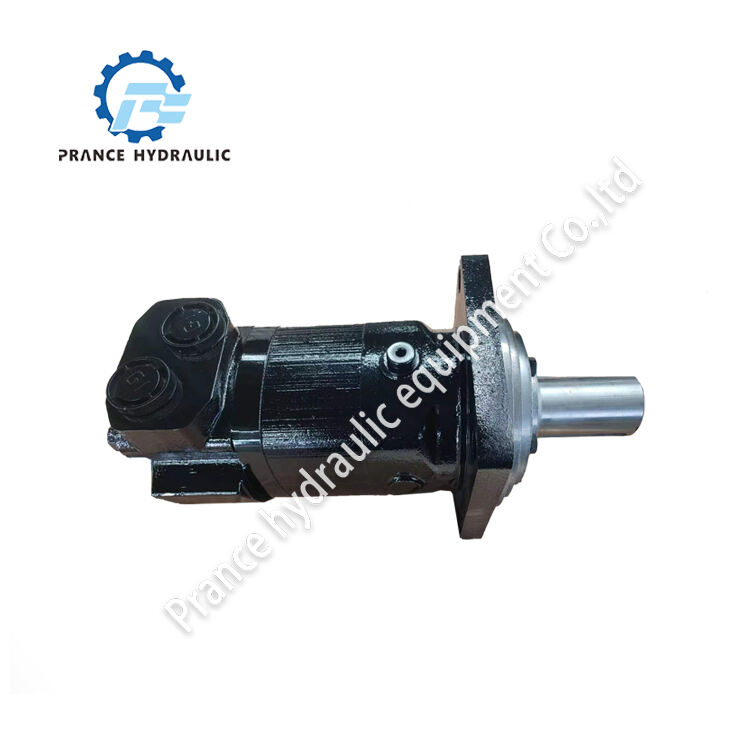
But the technology of the piston has come a long way over the years, and motors are definitely working better. The pistons of today are forged from strong, light materials. This enables them to withstand harsh conditions within a motor. Motors are getting faster and better due to new designs. Due to these changes, motors are now better than ever and more reliable as well.
 EN
EN