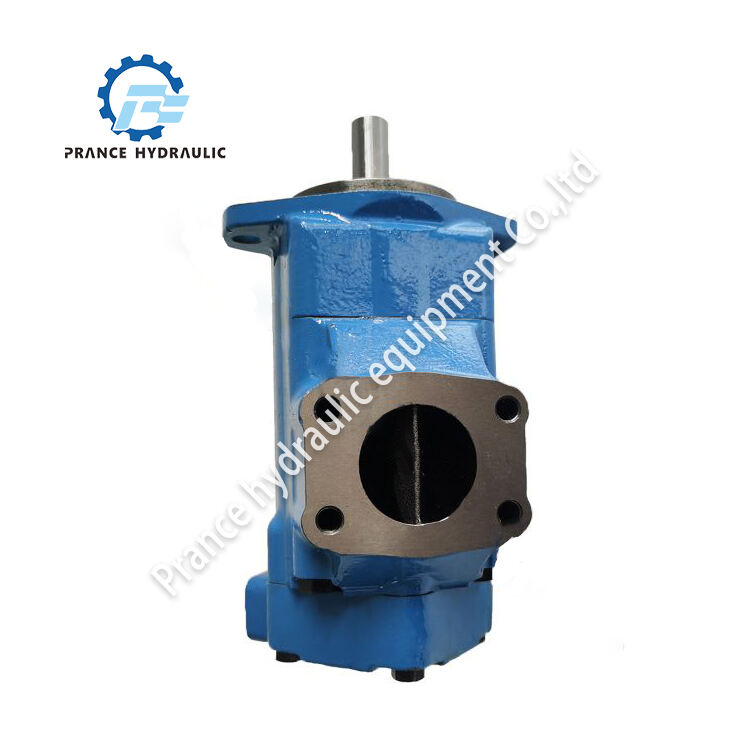
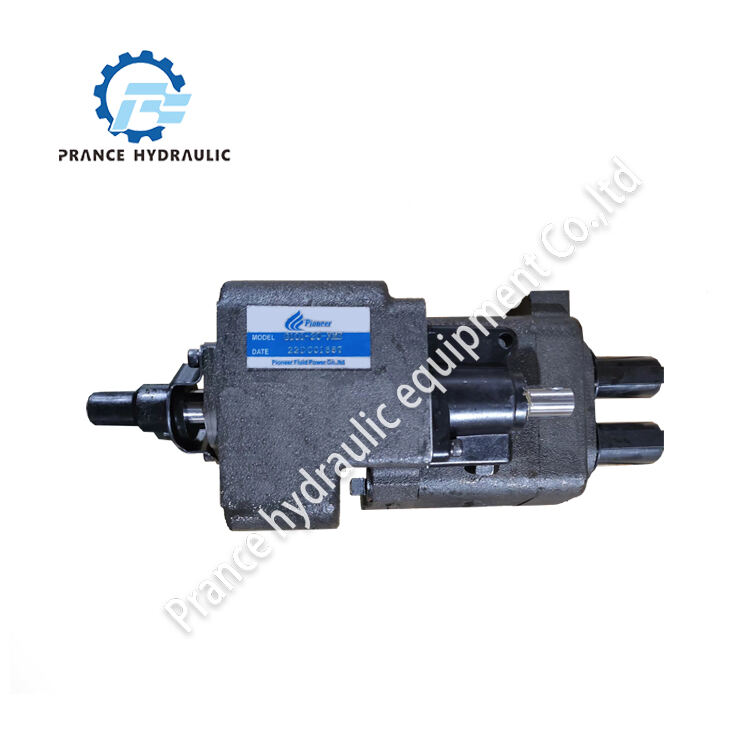
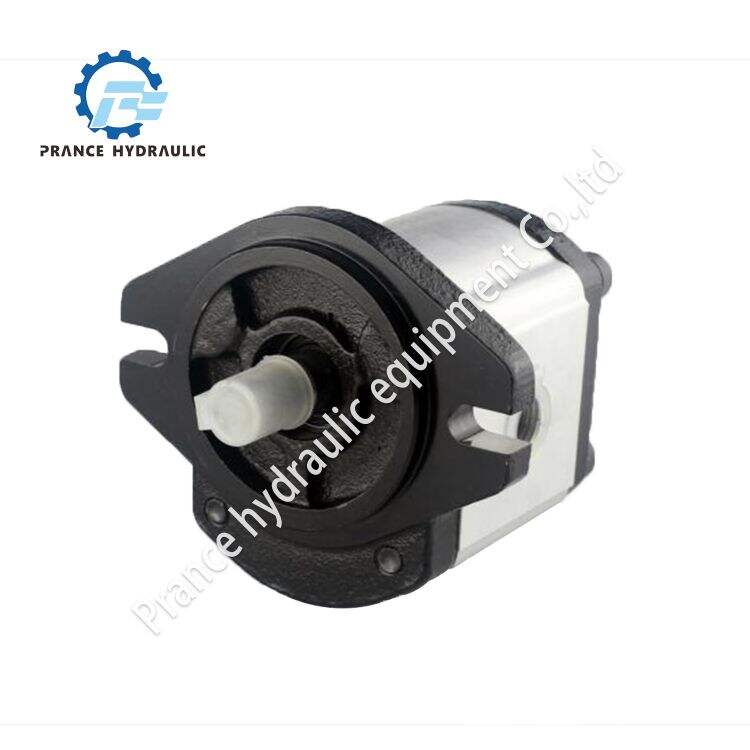
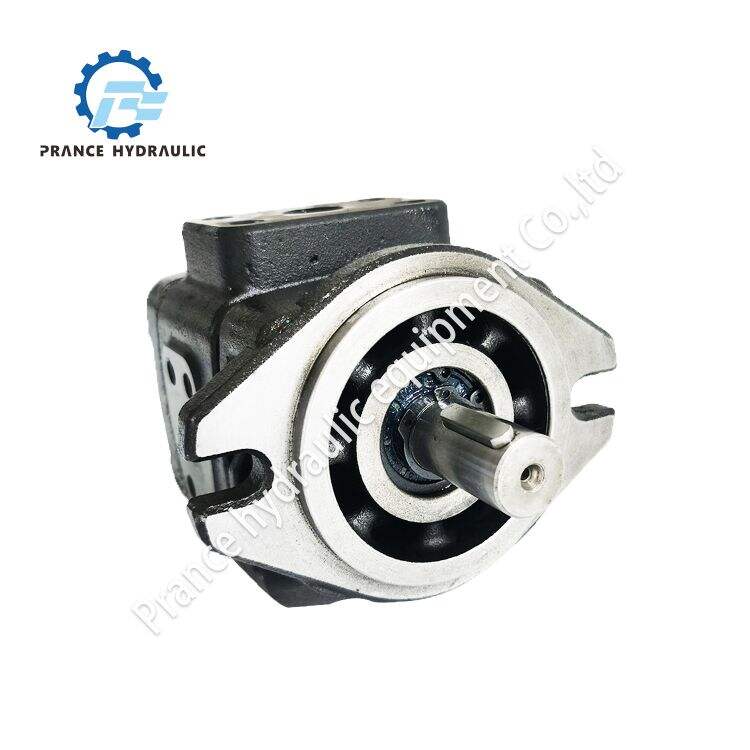
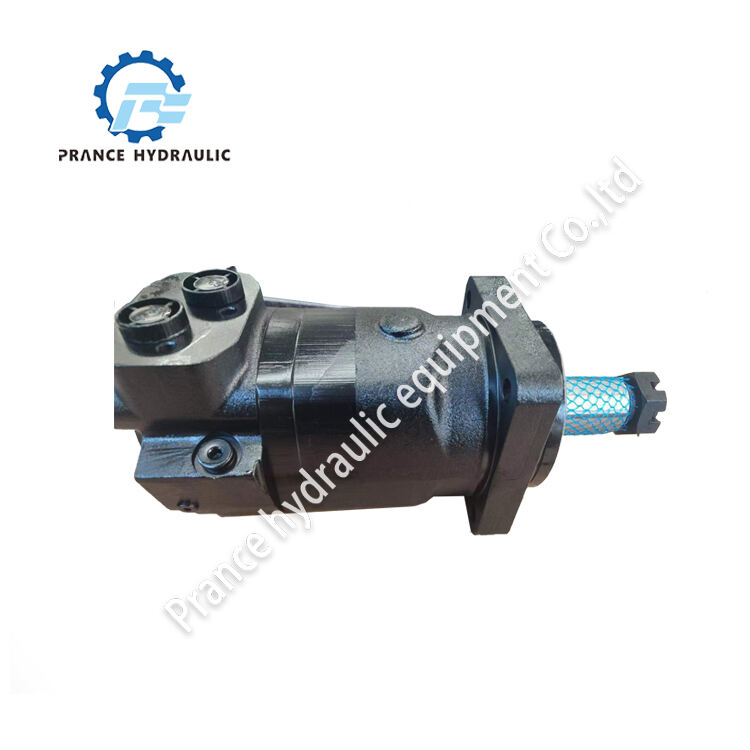
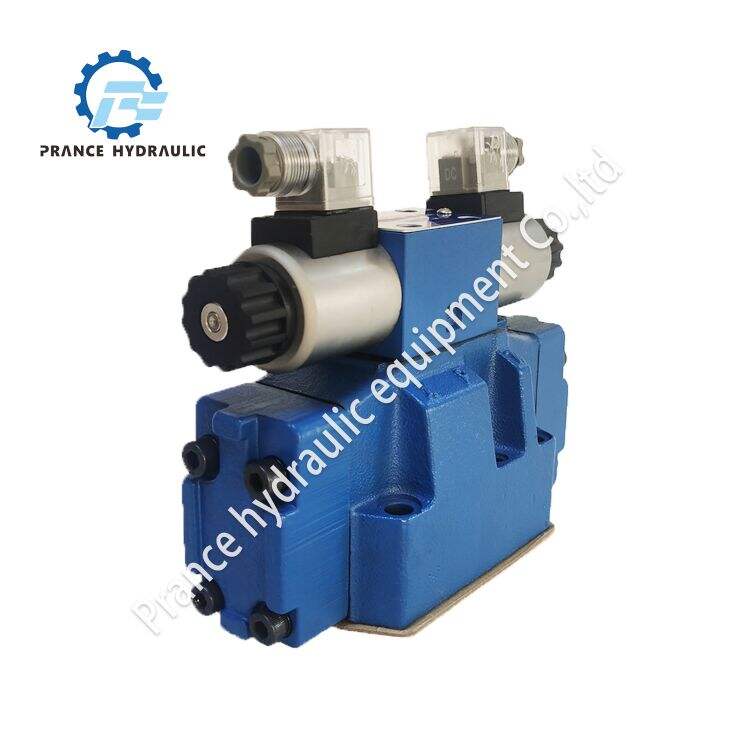
Directional control valve, also renowned as DCV, are tools widely utilized in hydraulic systems to manage the flow of fluid in the right direction. Knowledge of how these valves work can be very helpful in maintaining a healthy system
Directional valves function like traffic cops in a hydraulic system, directing fluid where it needs to go. They are capable of directing the flow by opening or closing particular pathways in the valve. This is useful because it enables the hydraulic system to do different things, such as lift heavy objects or drive machinery.
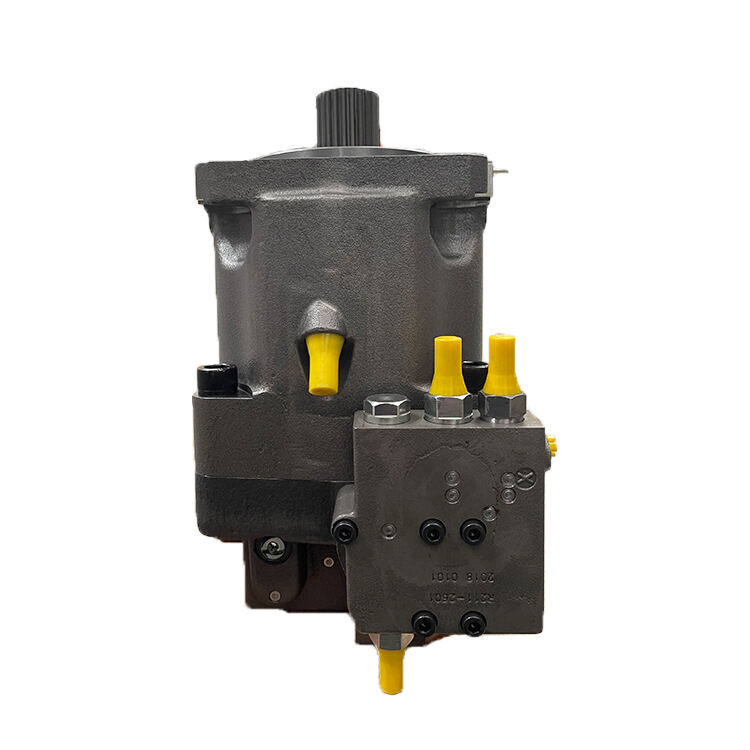
When selecting a Prance Hydraulic pump motor pump for a hydraulic system, it is critical to determine the type of valve that is suitable for your system and determine whether it will be manually or automatically controlled. Various shapes of the directional valve and flow controls are available such as spool, poppet and rotary valves. Selecting the apprpriate valve for your system will assist in achieving maximum performance.
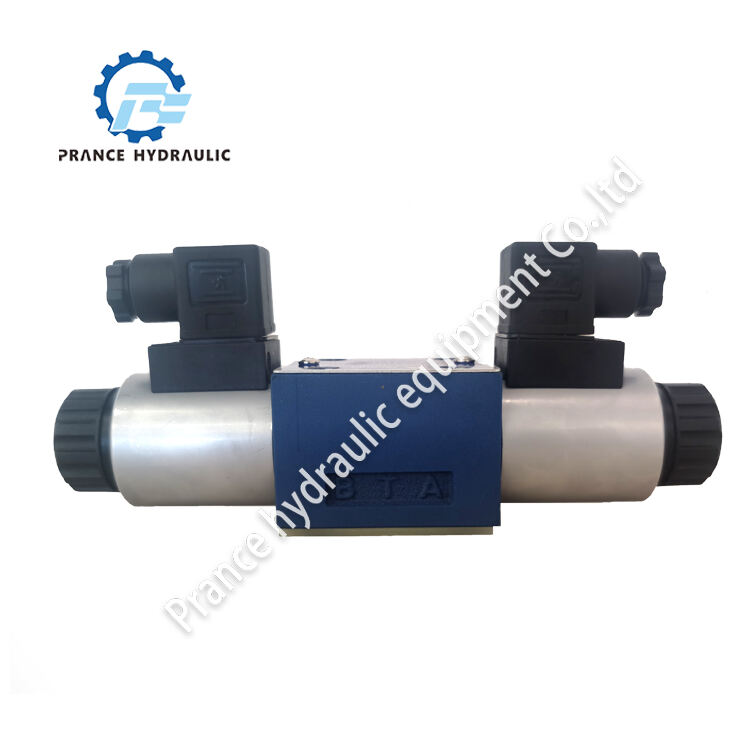
If your directional control valve develops leaks or gets stuck, they can cause more serious damage if you fail to take care of the problem in a timely manner. Typical failure of directional control valves include contamination blocking fluid passage, seals or o-rings that wear out, or improper assembly. Common causes of this lift pump failure, which could be avoided by regular maintenance and inspection.
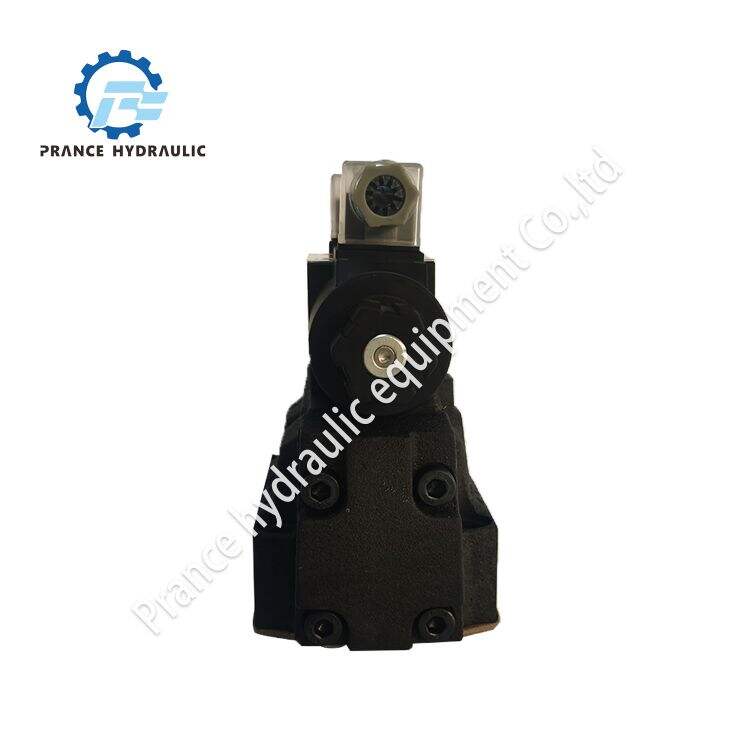
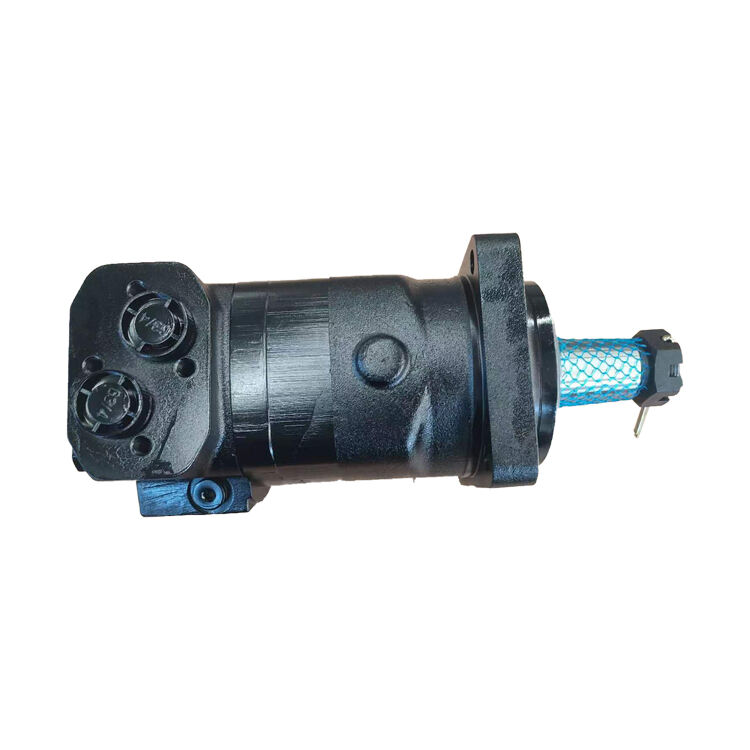
Fluid power systems which utilize Prance Hydraulic pump for motor have a number of advantages in that they provide precise control of fluid flow, they have lower energy requirements, and they can be more efficient than mechanical systems. Directional valves are also used to prevent damage to hydraulic components by regulating the direction of fluid in the system. In the end, you may find that you can enhance your hydraulic system’s efficiency and dependability by turning to directional valves.
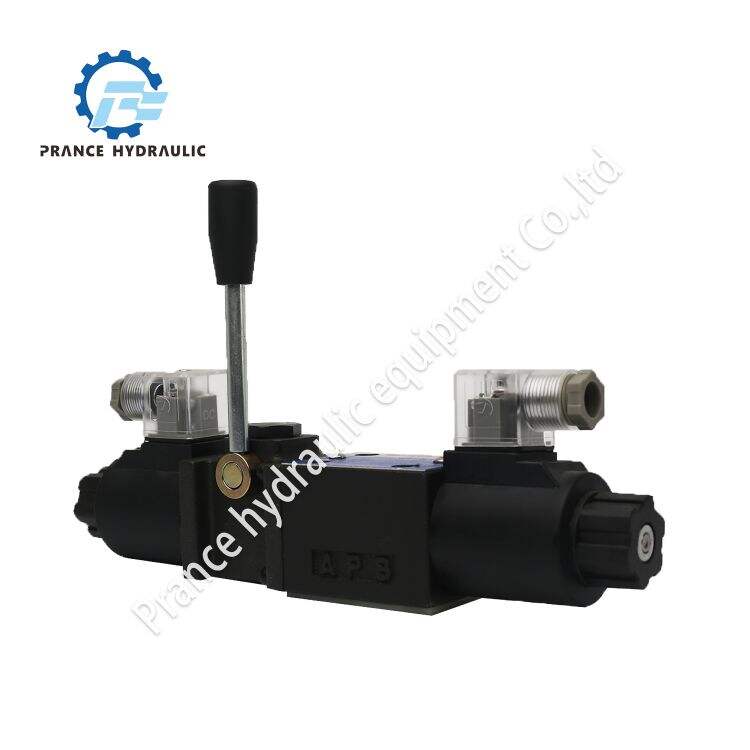
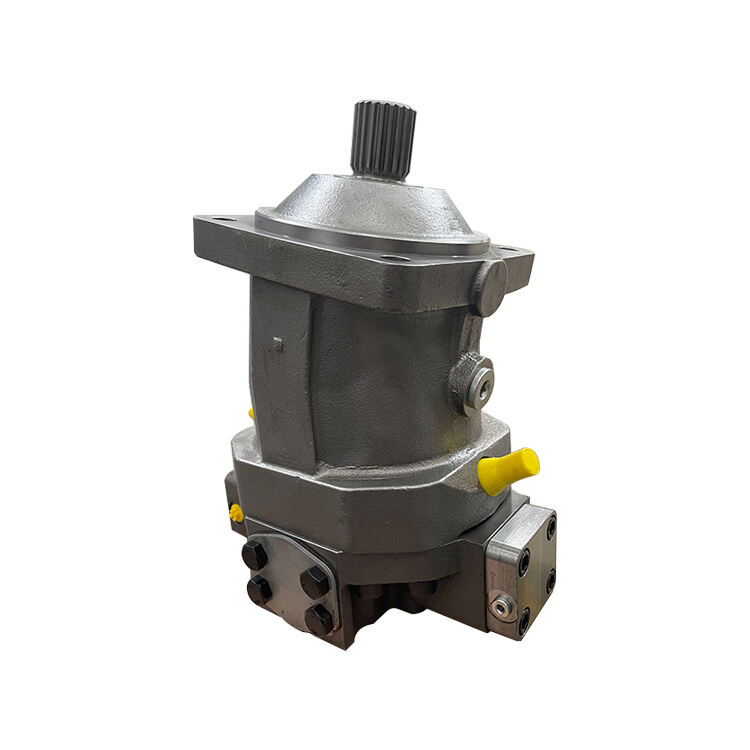
There is a variety of these Prance Hydraulic axial piston pump, for specific applications. It will be understood that spool valves may also be used to control fluid flow in a hydraulic system and poppet valves may be used in high pressure applications. Rotary valves are also useful in that they permit rotative or oscillatory motion. Knowledge about the various types of directional valves will assist you in selecting the appropriate valve for your application.
 EN
EN